Hypercasual vs Hybrid-Casual in 2026: What Charts Show
Paper.io 2, Block Blast! and Triumph Arcade show different ways simple play can grow into repeat goals. We unpack the chart snapshot and lessons for small studios.

Behind-the-scenes game mechanics, art retrospectives, and insights from the indie trenches.
Paper.io 2, Block Blast! and Triumph Arcade show different ways simple play can grow into repeat goals. We unpack the chart snapshot and lessons for small studios.
A design and monetization breakdown of Block Blast: its readable placement loop, rising board pressure, modes, and lessons small studios can apply.
A design and monetization breakdown of Bus Traffic Fever!: its color-matching loop, constrained space, chart signal, and four lessons for small studios.
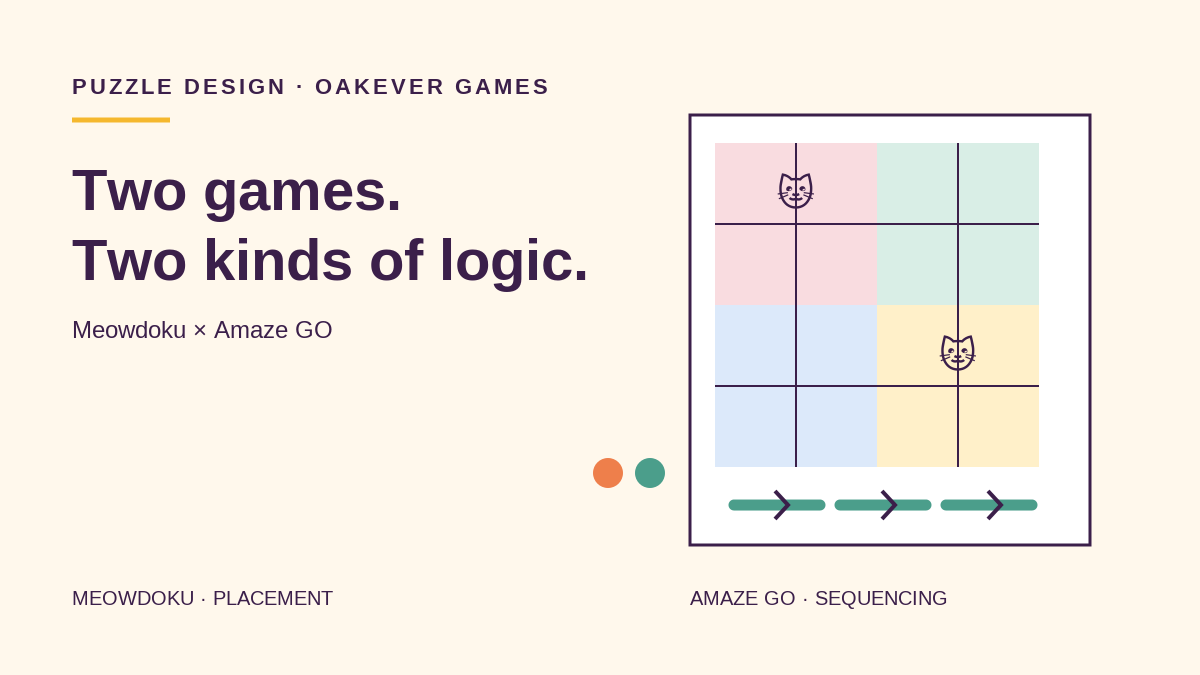
Meowdoku and Amaze GO turn logic into two distinct puzzle loops. We examine their mechanics, pacing, monetization, chart snapshot, and lessons for small studios.
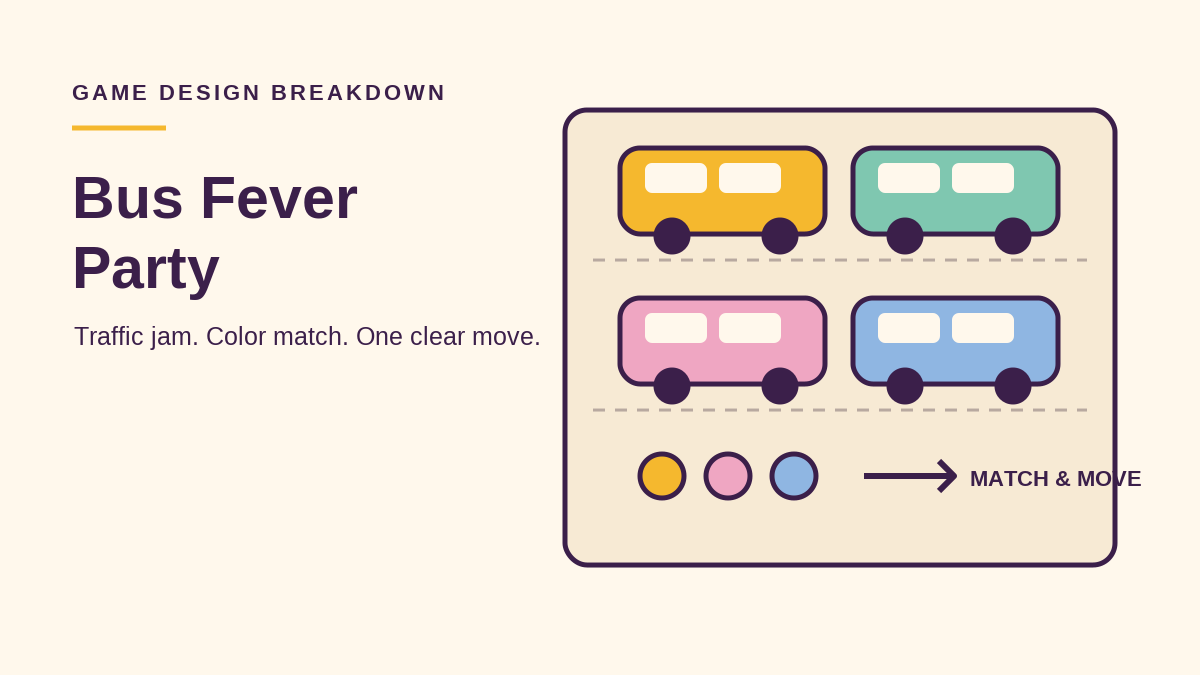
A practical breakdown of Bus Fever Party’s traffic-jam puzzle loop, difficulty, boosters, monetization signals, and lessons small studios can apply.
A design and monetization breakdown of Magic Sort: its water-sort loop, progression layers, chart visibility, and lessons for small puzzle studios.
Bus Fever Party!, Bus Traffic Fever! and Parking Loop point to a clear traffic-puzzle pattern. We unpack the loop, monetization, and lessons small studios can apply.
A practical breakdown of Meowdoku’s cat-themed logic loop, chart position, difficulty, and ad-supported subscription model—with lessons small studios can use.
A design and monetization breakdown of Block Out!: its color-sort puzzle loop, obstacle-driven progression, and lessons small studios can apply.
Block Out! and Magic Sort! show how clear color-sorting rules can grow into distinct puzzle experiences. We examine the loop, pacing, monetization and lessons for small studios.
Compare Unity, Godot, Cocos Creator, Defold, Phaser, three.js, and GameMaker through practical export, SDK, licensing, and team checks.
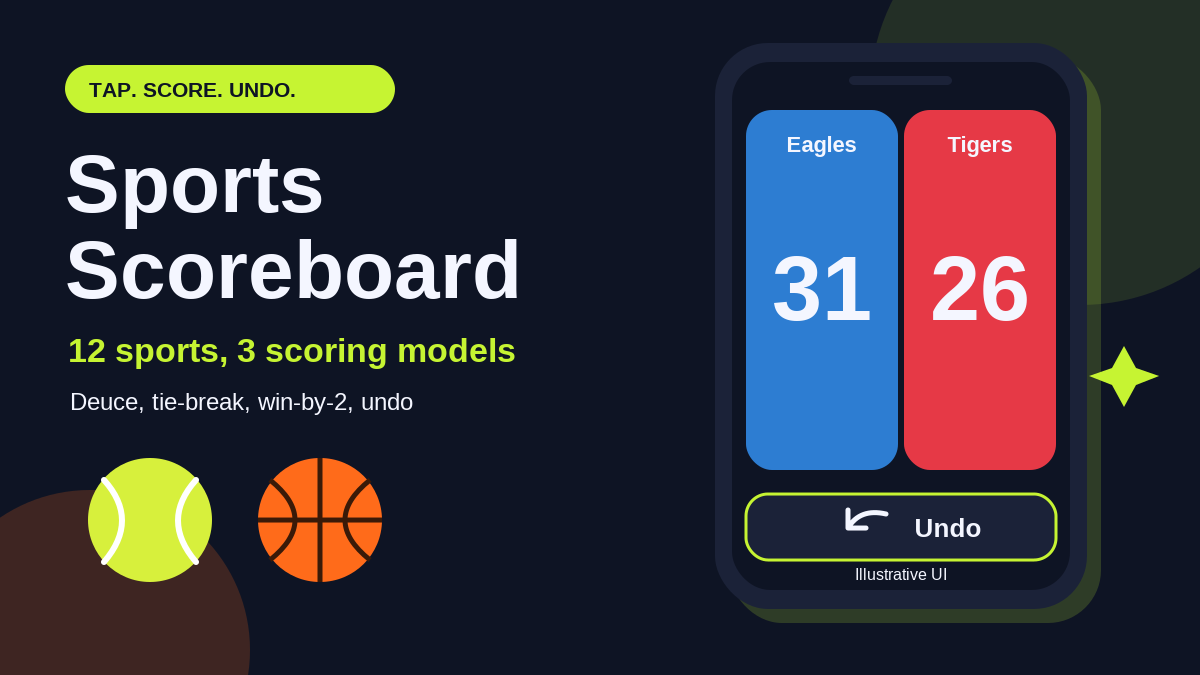
See how Sports Scoreboard scores tennis (deuce, tie-break), badminton, basketball and custom sports, with concrete examples and honest limits. In final testing, not yet in the stores.
Sign a PDF on Android with a typed or drawn signature. Learn what PDF Sign Pro does, how offline signing works, and when a certificate-based workflow is needed.
Make readable PDFs from phone photos: improve lighting, crop carefully, arrange pages, and choose quality settings. Our guide explains PDF Maker’s features and honest limits.
Make a readable phone banner with LED Board Glow. Learn practical settings for concerts, queues and pick-up signs, plus honest privacy and battery limits.
Map gamepad buttons to Android touch controls with TouchJoy. Learn setup, controller checks, privacy limits and fair-play considerations.
Understand ROI, NPV, IRR, payback, margins, and break-even with worked examples. Learn what Roiva can calculate and where its estimates stop.
Count notes and coins, check over or short, and preserve a clear closeout. Our guide explains Recona’s role, practical cash controls, and its limits.
Track your hours with Shiftly, understand overtime basics, and compare estimated pay with your payslip. Includes setup steps and honest privacy limits.
Learn how Measly measures screen lengths and phone tilt, how to calibrate it, and when a physical ruler or level is the better choice.
Learn how spaced repetition and active recall work, write clearer flashcards, and start studying offline with Memora—with honest privacy and backup limits.
Learn how HIIT, Tabata, EMOM and boxing timers differ, choose a work/rest pattern, and get started with Repzo—with clear limits on coaching and privacy.
Meet NabiGame’s cute octopus marble shooter: learn the rules, explore 100 levels and six power-ups, and compare it with classic Zuma-style games and bubble shooters.
Build an honest puzzle preview with a clear hook, fair challenge and deliberate CTA. Compare network requirements and test your HTML5 creative.
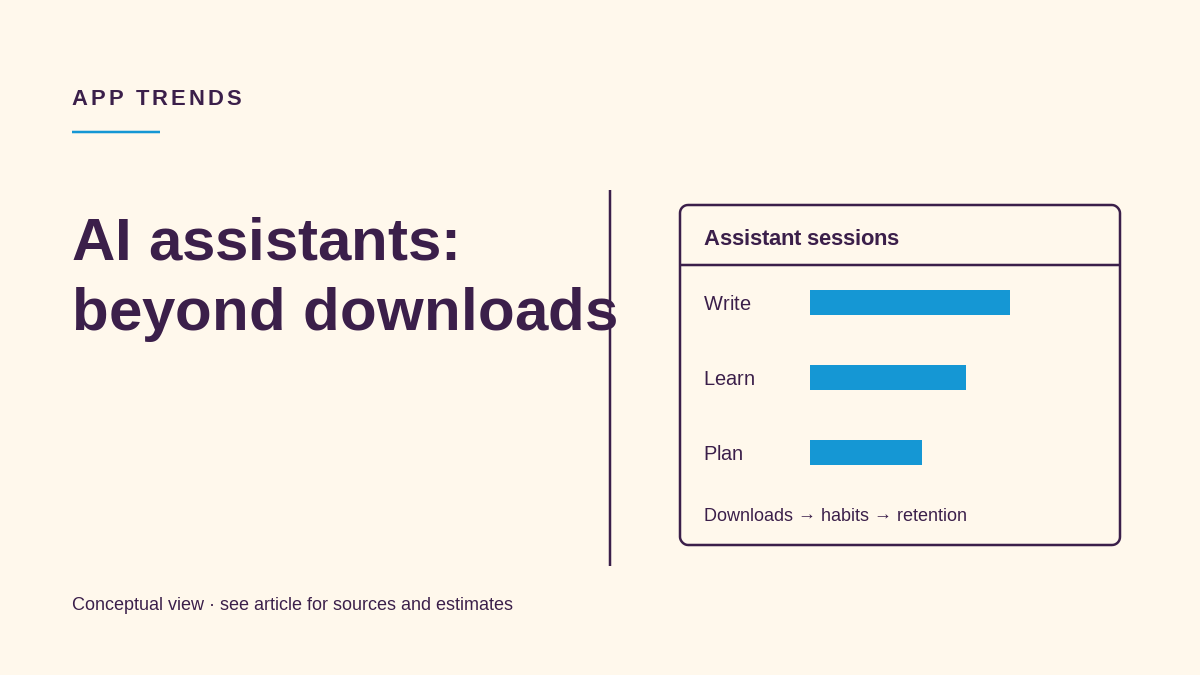
AI assistant downloads surged in 2025, but installs alone do not reveal what people need, which apps stick, or where subscription value comes from.
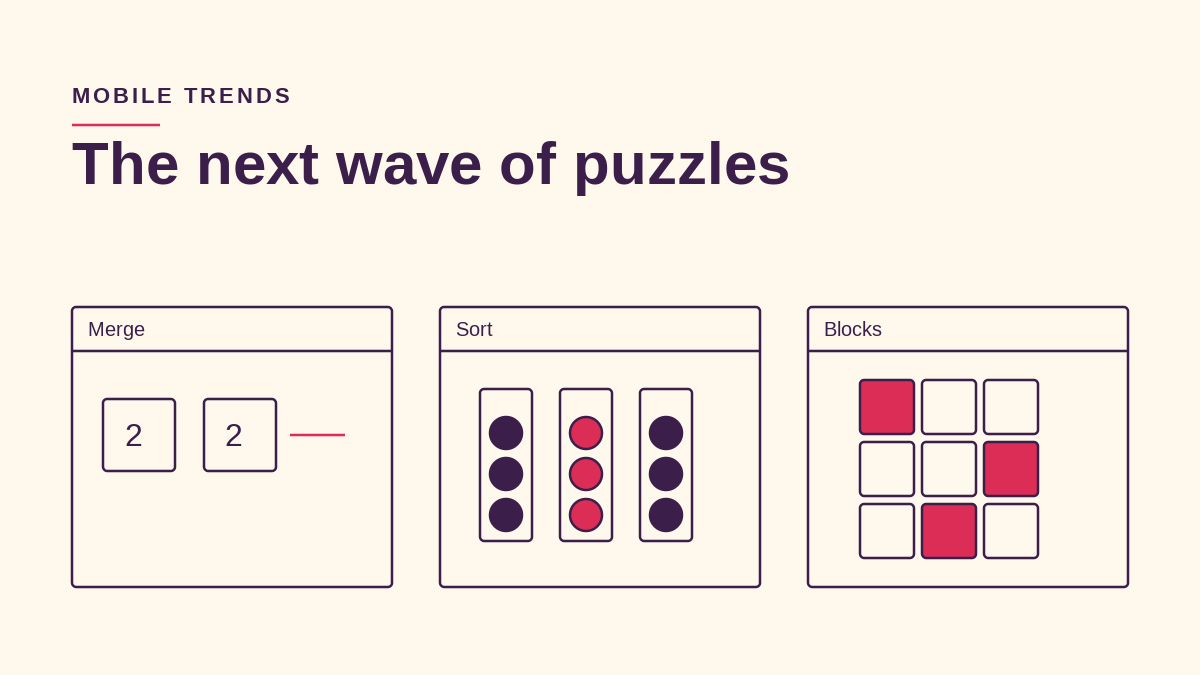
Merge, sort and block puzzles are growing inside a mature casual market. Here is what the data means for small studios, progression and sustainable scope.
Make puzzle feedback clearer with a tiny tween system, deliberate easing, restrained shake, hit-stop, lively counters, and reduced-motion support.
Scanners, QR readers, weather, converters, and PDF tools solve quick everyday jobs. See what recent market data says, how to monetize fairly, and why trust matters.
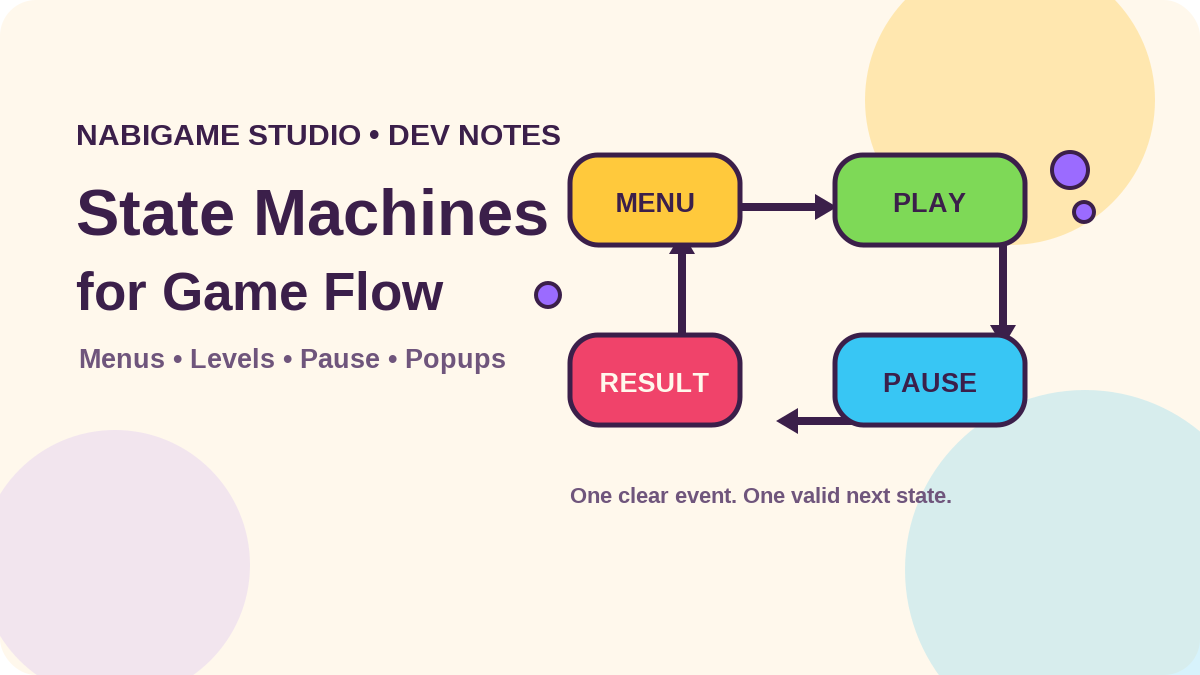
Replace fragile UI flags with explicit game states. Build a small JavaScript flow controller, handle interruptions, and test menus, pause, and popup behavior.
Protect coins, hints, and remove-ads access with server-verified purchases, secure credentials, and a practical release checklist for casual-game studios.
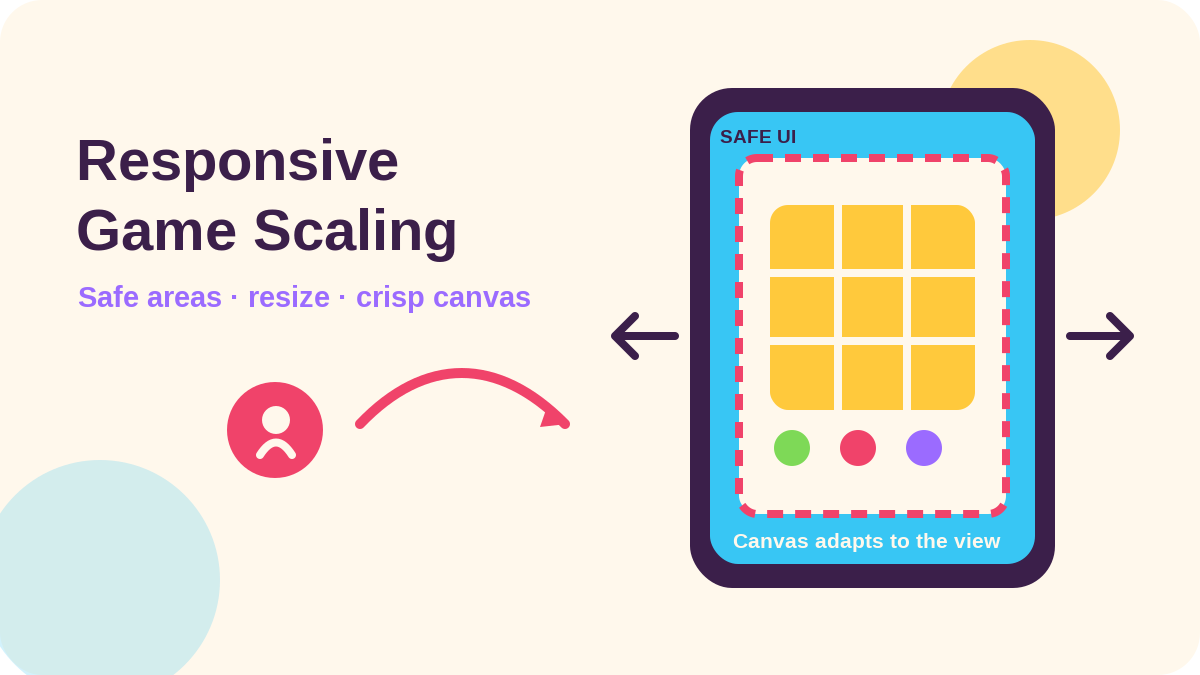
Choose a canvas scaling strategy, handle mobile browser UI, and keep web game controls sharp and safe across screens.
Xcode 26 uploads, Android 16 KB page sizes, developer verification and media permissions: a dated checklist for small game studios shipping to iOS and Android.
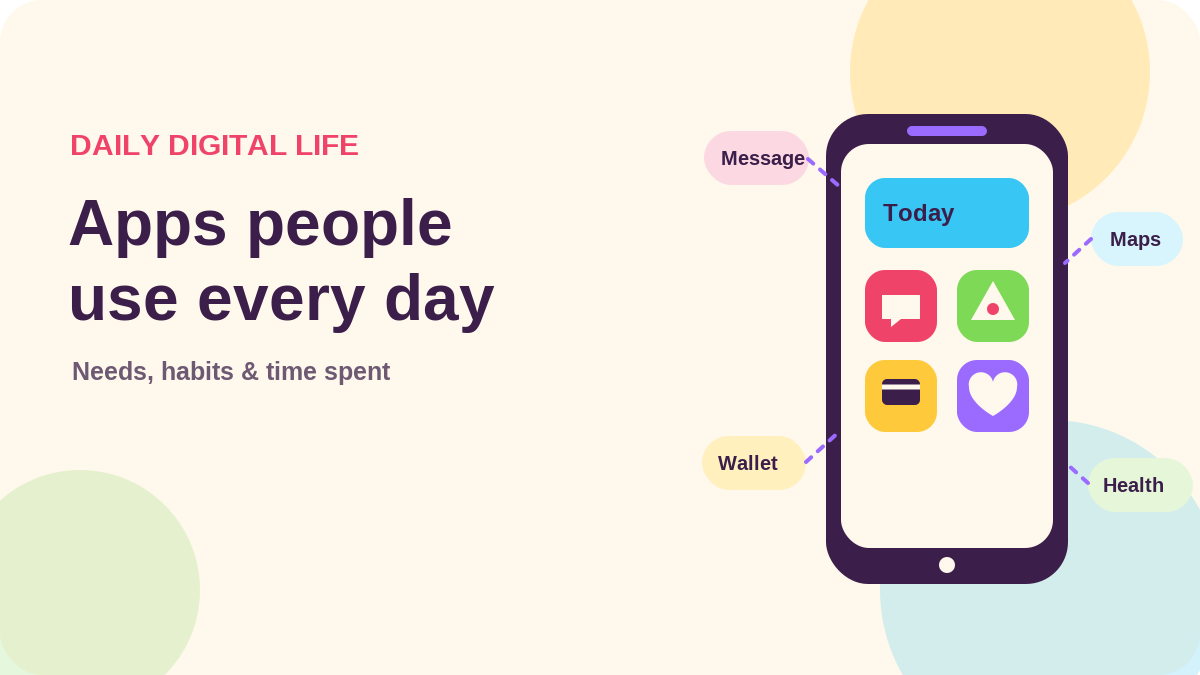
Messaging, maps, money, shopping and social apps meet different daily needs. See what current usage data can—and cannot—tell us about app habits.
Build reliable touch controls with Pointer Events, gesture recognition, cancellation cleanup, input buffering, and optional haptics across mobile browsers.
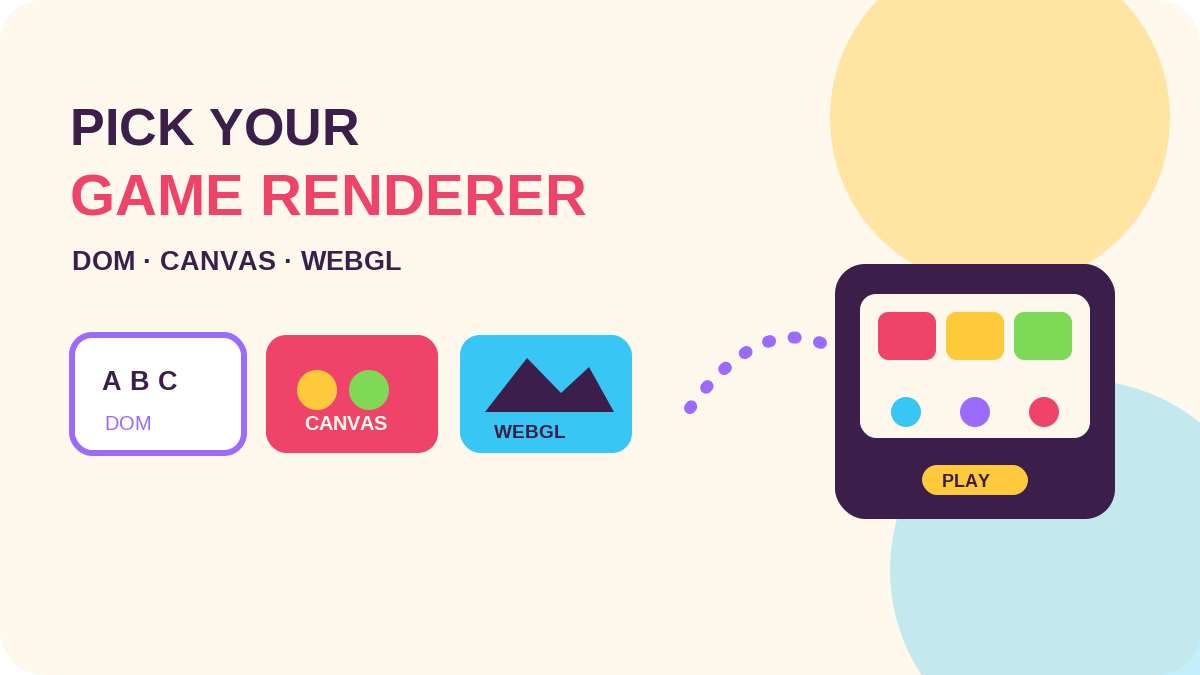
Choose the right renderer for a casual game: compare DOM, Canvas 2D, WebGL, and hybrid approaches for readable, responsive play on web and mobile.
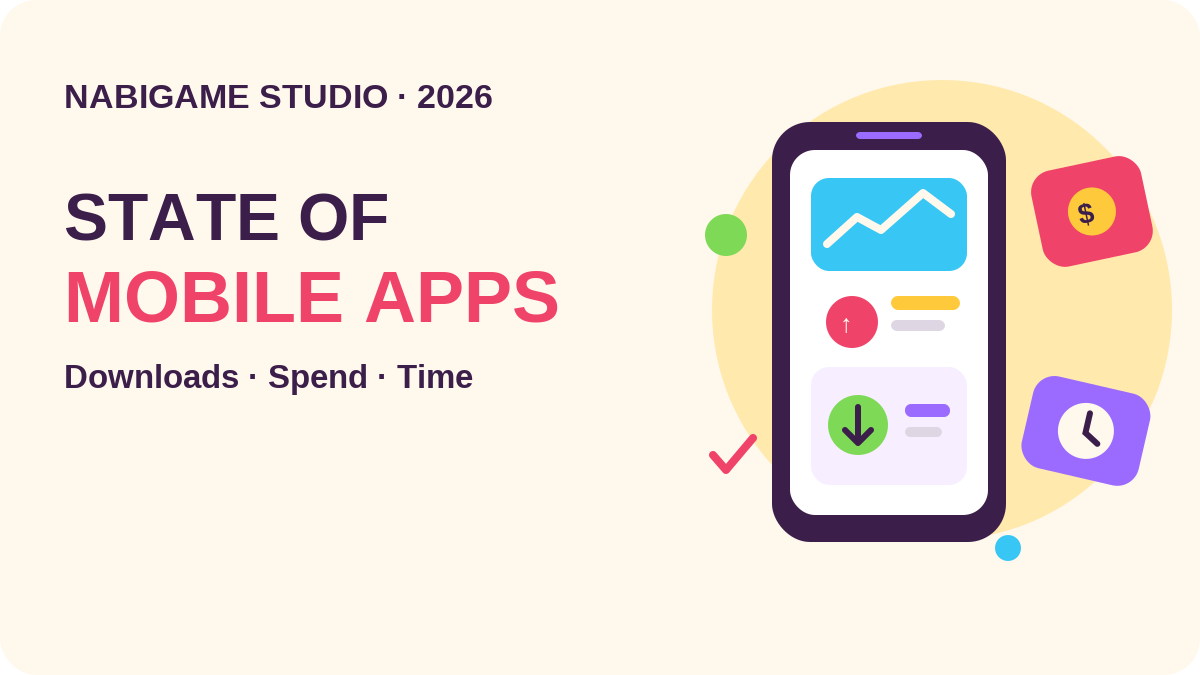
The 2026 mobile reports show rising app spending and record attention, but diverging download estimates. Here’s what users, developers, and analysts can take from the numbers.
A practical TypeScript and Vite starter for browser games, covering asset hashing, optional chunks, debug flags, aliases, and a clean build workflow.
Explore browser-game engines, WebGPU and WebGL, mobile loading, portal monetization, web shops, and PWAs through a practical indie-studio lens.
Build a satisfying merge game with readable transformations, meaningful space decisions, fair pacing, and a metagame that gives every merge a purpose.
Why Vietnam became a mobile game hub, what Da Nang contributes, and how to evaluate a studio partnership with clear costs and publishing responsibilities.
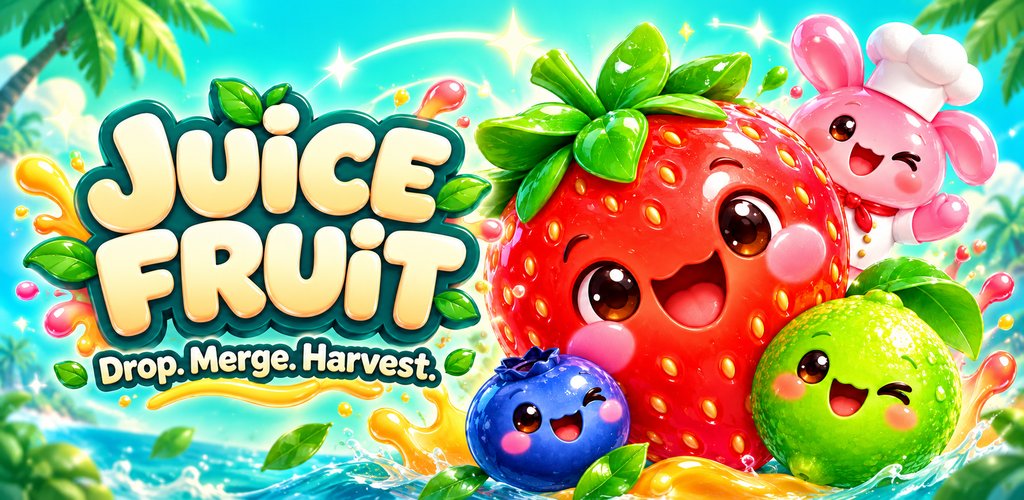
Nam Bui shares the physics, level tuning, Chef Bunny art, and platform work behind Juice Fruit, now playable free in your browser on itch.io.
Google Play testing tracks, App Store review, web portals like Poki and CrazyGames, soft launch markets, ASO and privacy rules, with a launch checklist from our studio.
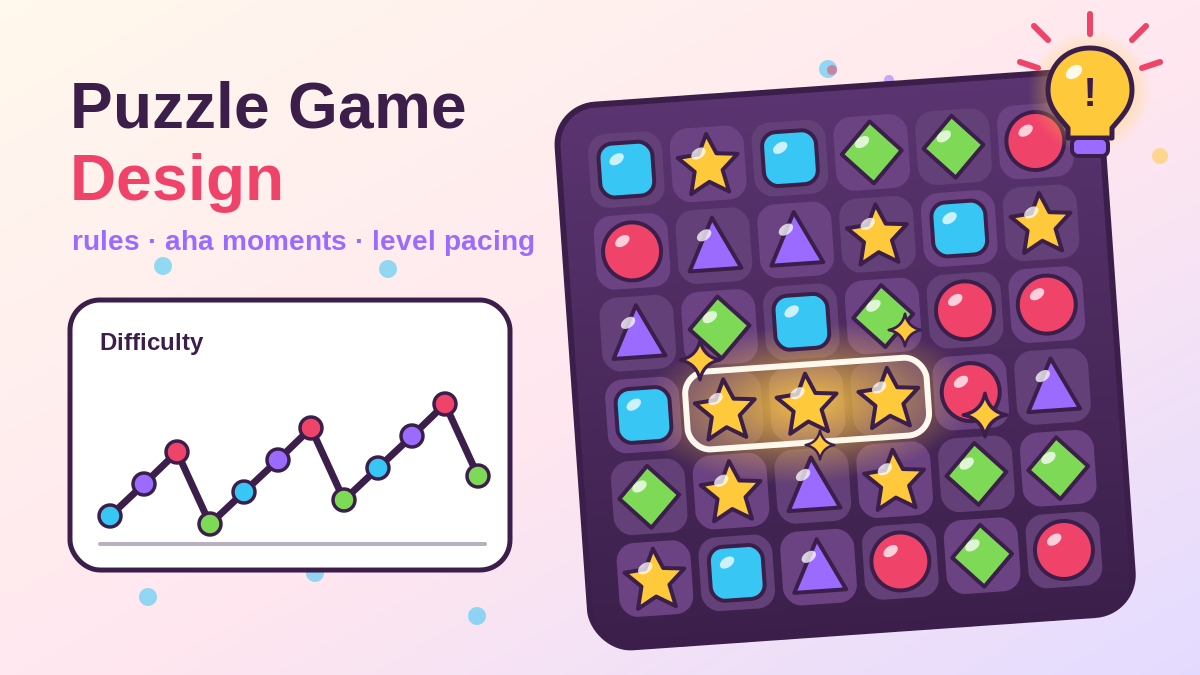
Clear rules, aha moments, juicy feedback, sawtooth difficulty curves and fair boosters: what makes casual puzzles satisfying, with notes on match-3, merge and block puzzles.
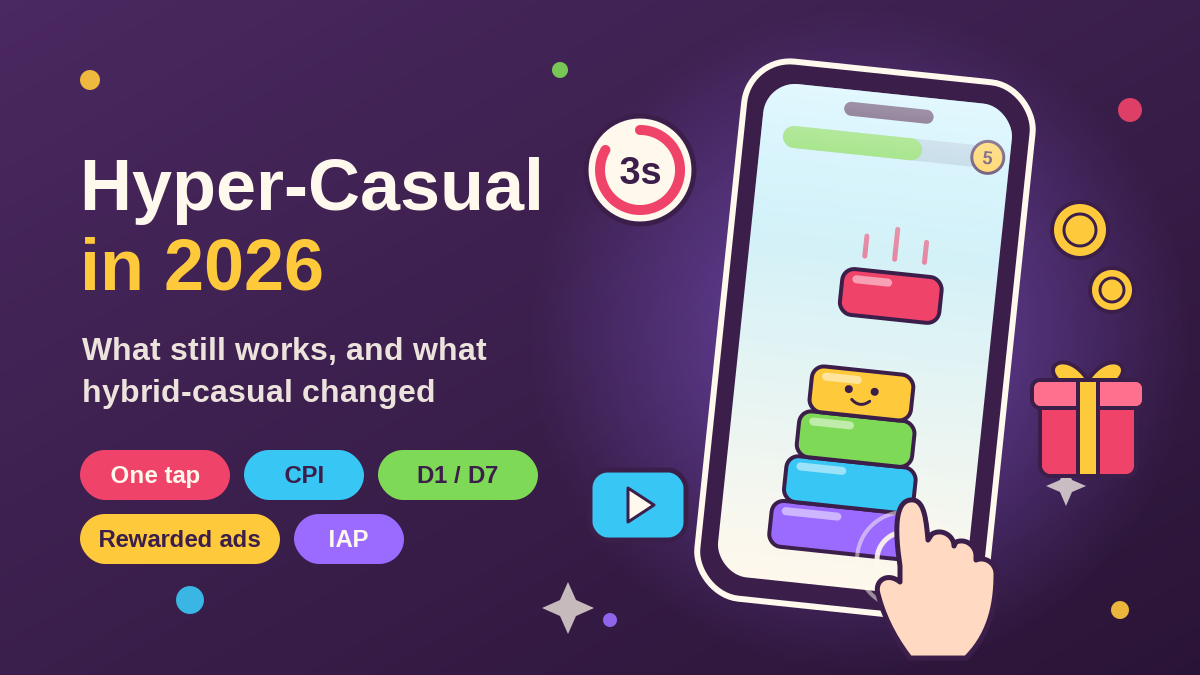
What hyper-casual games are, how hybrid-casual changed the genre, and how to prototype, run CPI tests, read D1/D7 retention and mix rewarded ads with IAP.
How we build tapered ribbon trails and pooled, one-draw-call particle systems in three.js, with diagrams of every step and a live demo you can steer.
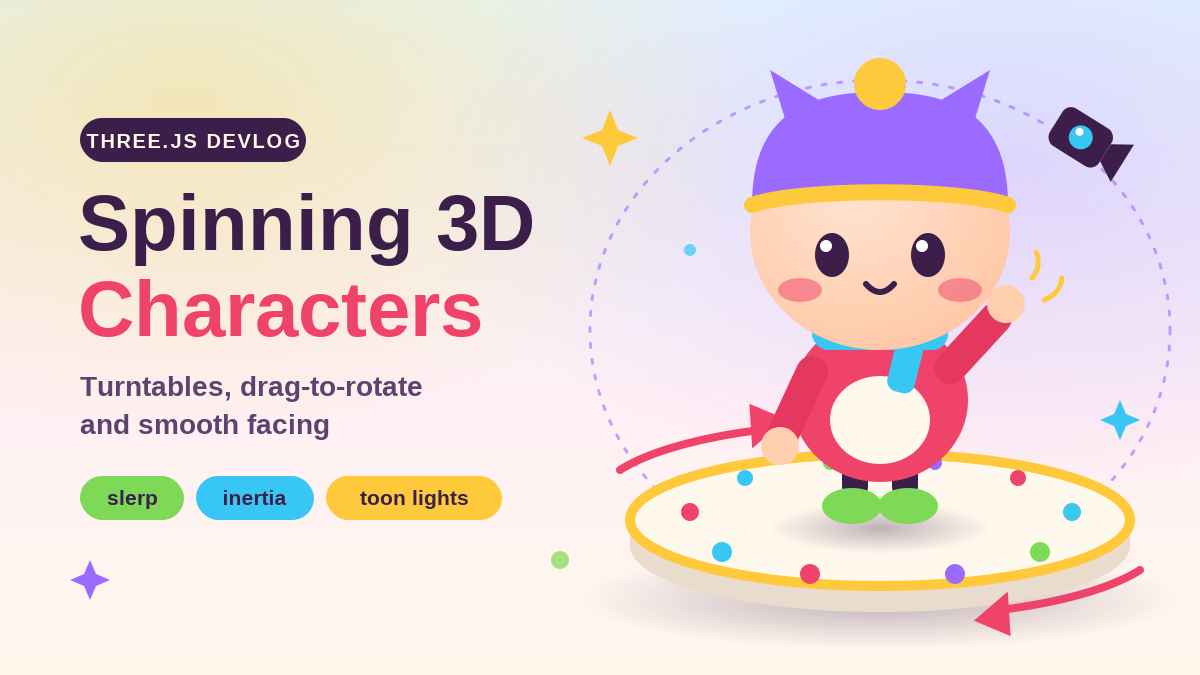
A character viewer that feels good in the hand: a pivot turntable, drag with inertia, and quaternion slerp so turning to face a direction never takes the long way round.
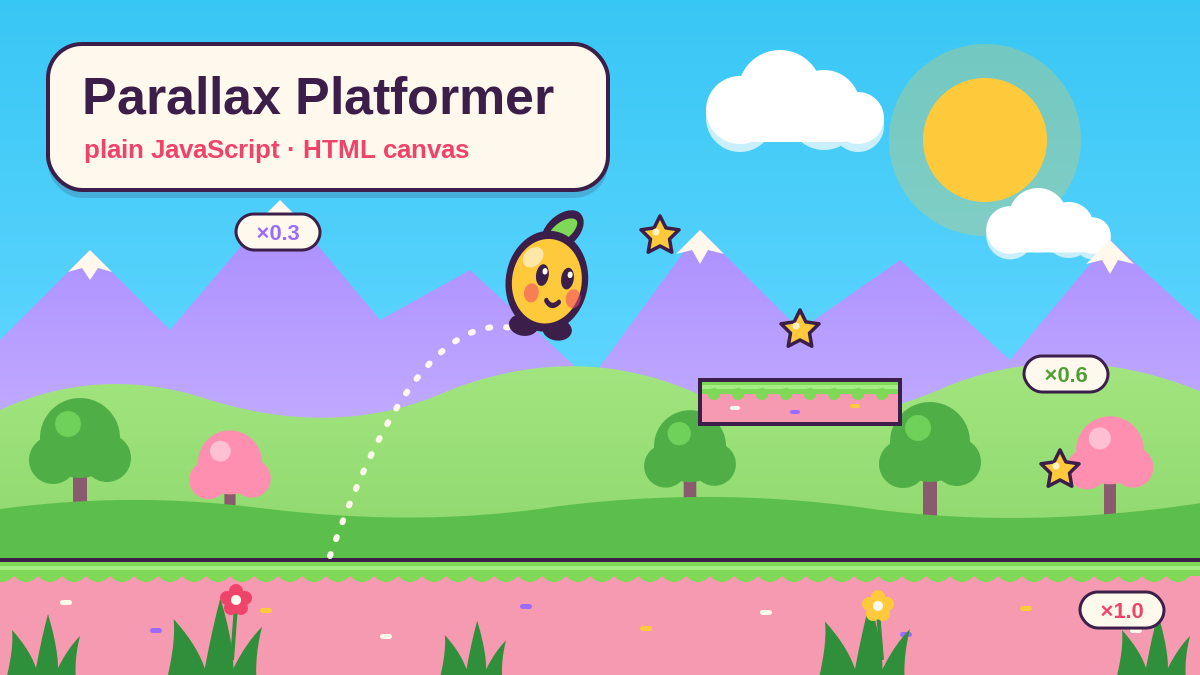
Layered parallax backgrounds, a fixed-timestep game loop, coyote time and a smooth camera: a playable canvas platformer with no libraries, explained step by step.