Merge Game Design: Merge-2, Merge-3 and Drop-Merge Explained
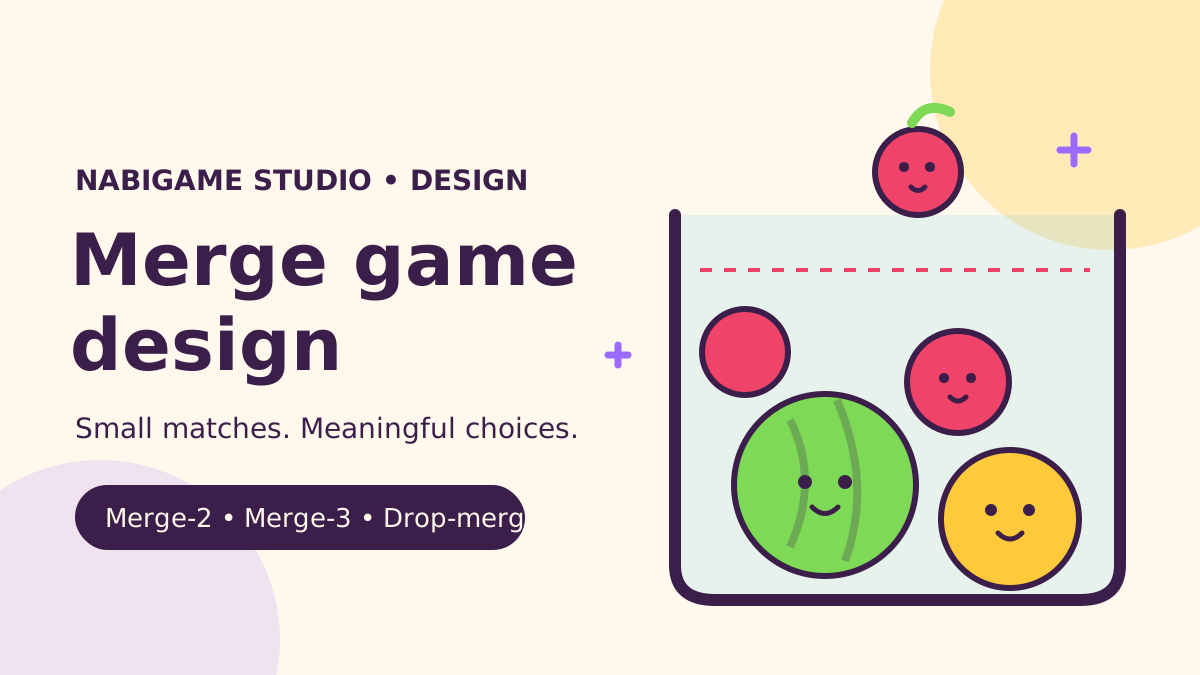
Build a satisfying merge game with readable transformations, meaningful space decisions, fair pacing, and a metagame that gives every merge a purpose.

Behind-the-scenes game mechanics, art retrospectives, and insights from the indie trenches.
Build a satisfying merge game with readable transformations, meaningful space decisions, fair pacing, and a metagame that gives every merge a purpose.
Why Vietnam became a mobile game hub, what Da Nang contributes, and how to evaluate a studio partnership with clear costs and publishing responsibilities.
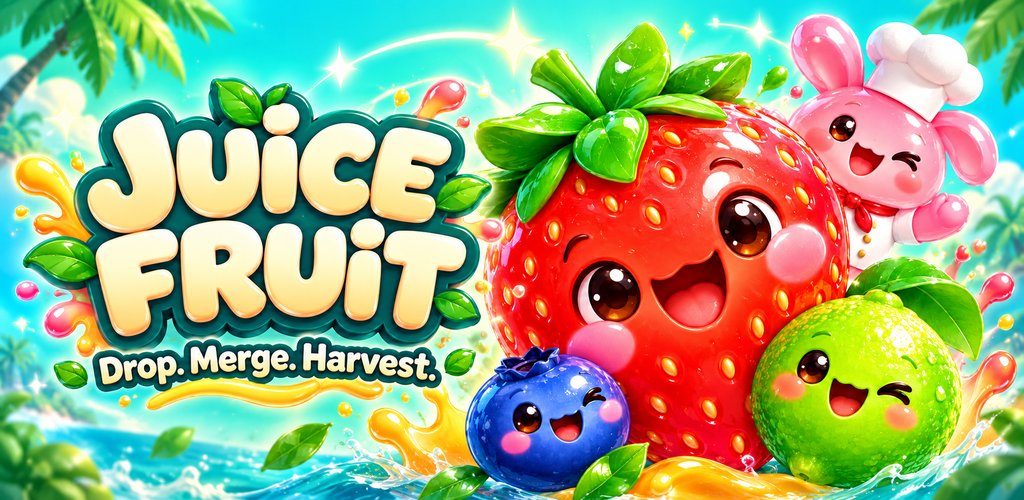
Nam Bui shares the physics, level tuning, Chef Bunny art, and platform work behind Juice Fruit, now playable free in your browser on itch.io.
Google Play testing tracks, App Store review, web portals like Poki and CrazyGames, soft launch markets, ASO and privacy rules, with a launch checklist from our studio.
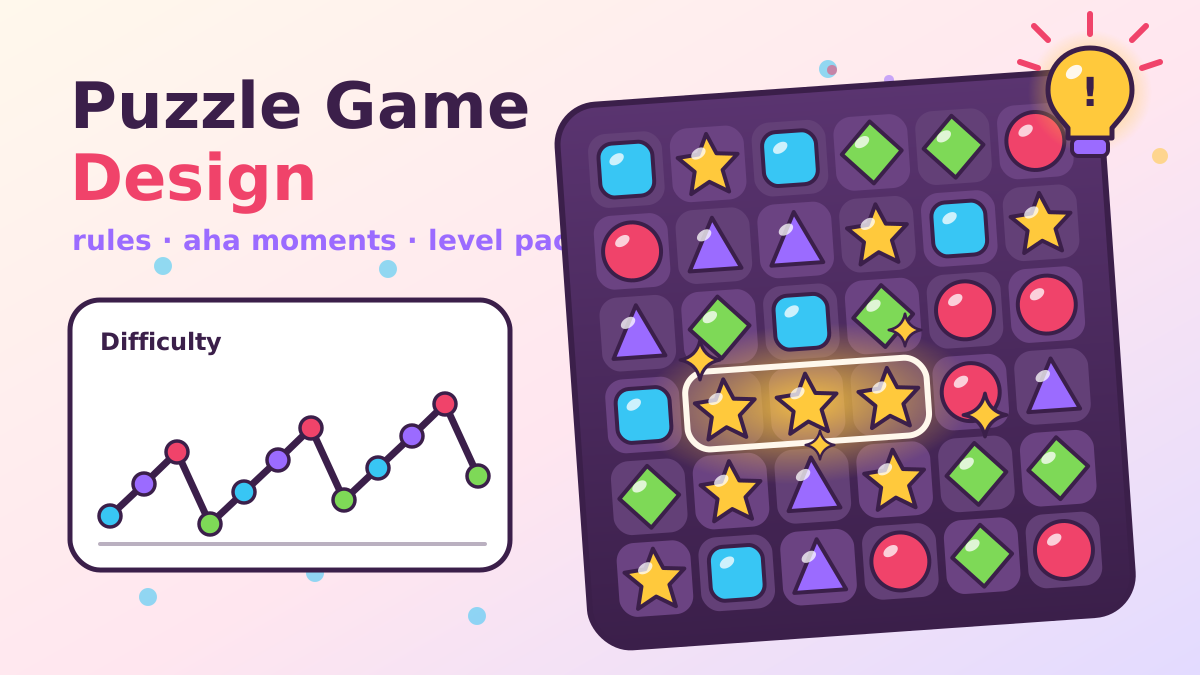
Clear rules, aha moments, juicy feedback, sawtooth difficulty curves and fair boosters: what makes casual puzzles satisfying, with notes on match-3, merge and block puzzles.
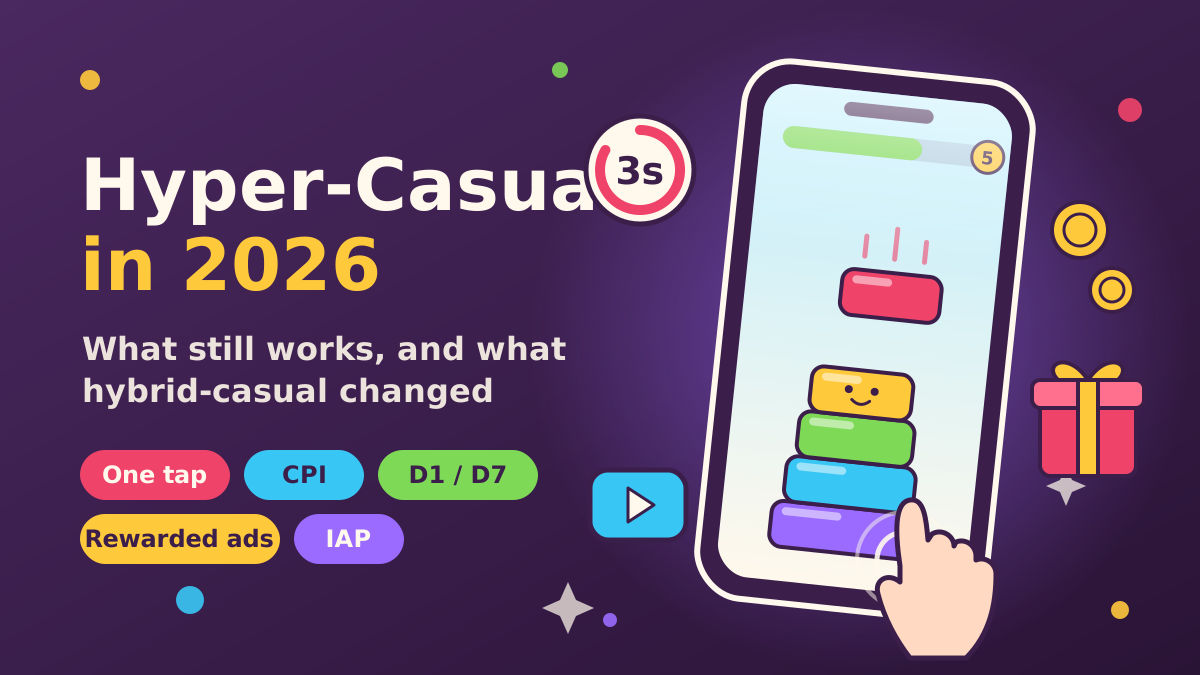
What hyper-casual games are, how hybrid-casual changed the genre, and how to prototype, run CPI tests, read D1/D7 retention and mix rewarded ads with IAP.
How we build tapered ribbon trails and pooled, one-draw-call particle systems in three.js, with diagrams of every step and a live demo you can steer.
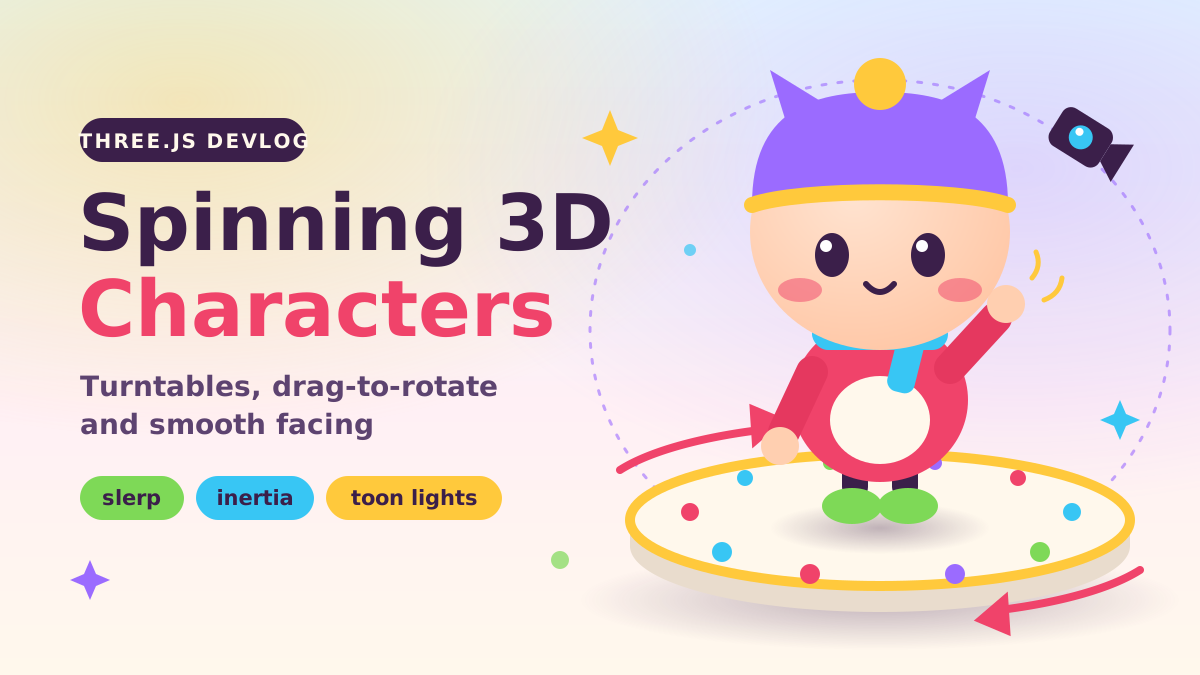
A character viewer that feels good in the hand: a pivot turntable, drag with inertia, and quaternion slerp so turning to face a direction never takes the long way round.
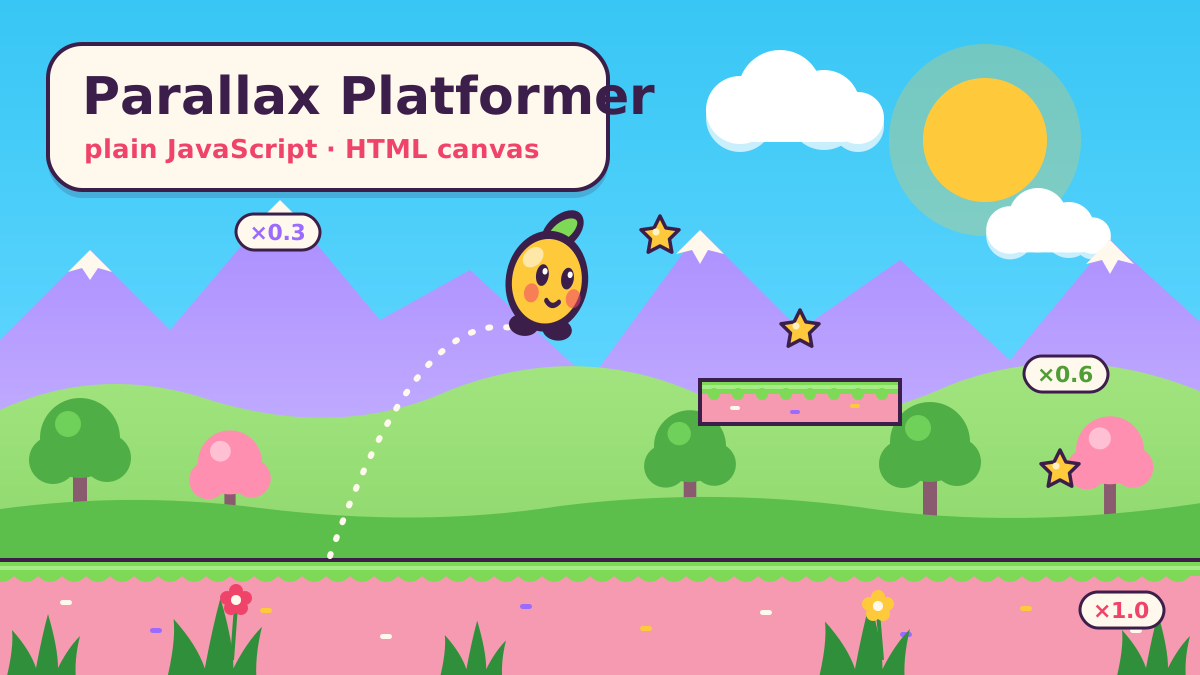
Layered parallax backgrounds, a fixed-timestep game loop, coyote time and a smooth camera: a playable canvas platformer with no libraries, explained step by step.